

The Friends of Alec Wilder
The 40th Annual Concert Celebrating the Life and Music of Alec Wilder
54 Below, NYC, November 8, 2025
Reviewed by Alix Cohen
Performance photos by Conor Weiss
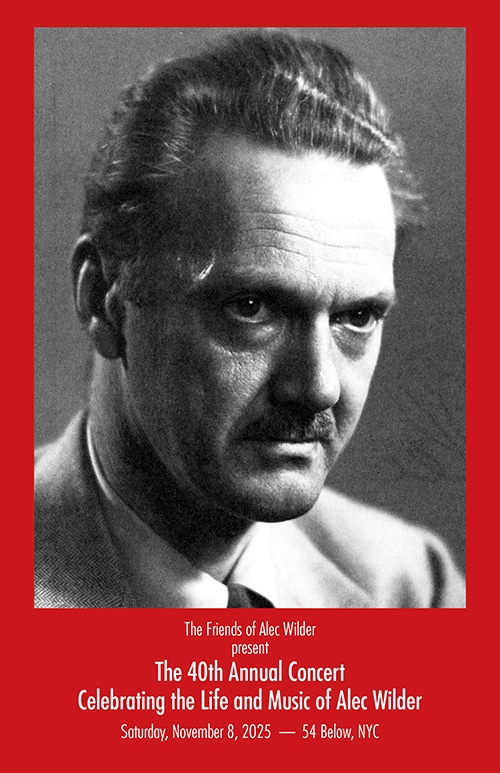
Photo by Louis Ouzer
Alexander Lafayette Chew Wilder (1907-1980) grew up in Rochester, New York in a prominent family. He was mostly raised by relatives and had a complicated relationship with both his family and his social class. Known for an unconventional, nomadic lifestyle, the composer and lyricist maintained an apartment at The Algonquin Hotel the last 40 years of his life. They stored his belongings for him.
Wilder melded classical structure (counterpoint, unusual modulations) with popular American idioms. He favored harmonies that gave his songs a wistful, introspective quality. Many compositions were conversational, mimicking speech rhythms.
Distinctive sophistication enabled songs such as “I’ll Be Around” (for which he also wrote lyrics and was a Mills Brothers hit) and “While We’re Young” (music by Wilder and Morty Palitz, lyric by Bill Ebgvick; popularized by Peggy Lee) to be potent but understated. His work evoked longing, regret, or joy without resorting to sentimentality or melodrama. In addition to writing popular songs, he also composed classical pieces for unique combinations of orchestral instruments. He also wrote 11 operas.

Welcomed by the show’s producer Mark Walter (son of composer/lyricist/pianist Cy Walter) and the host Charles L. (Chuck) Granata (a 30-year veteran of the music industry), the crowd of fans and industry professionals settled in for a show of often eclectic music performed by some of our best talent.
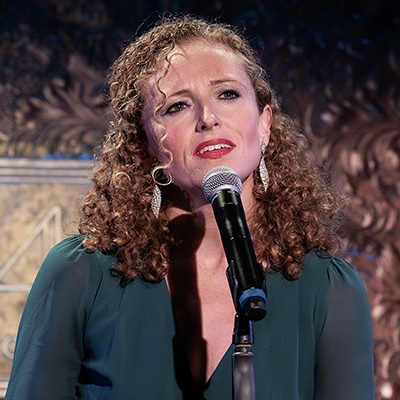
Vocalist Marissa Mulder opened the festivities with four songs: “The Next Time Around” (Cy Walter/ Wilder) was practically sighed: “too bad, too bad” she sang wistfully. “Trouble Is a Man” (Wilder)—“after all we planned”—evoked a rueful, little laugh. The familiar “Who Can I Turn To?” (Wilder/Engvick) emerged in soft-shoe tempo too lighthearted for the lyric. An airbrushed “Time and Tide” (Walter/Wilder) blanketed the room. Mulder sings from authenticity. Thoughtful phrasing, melody that arcs, and vibrato tails are her trademarks.
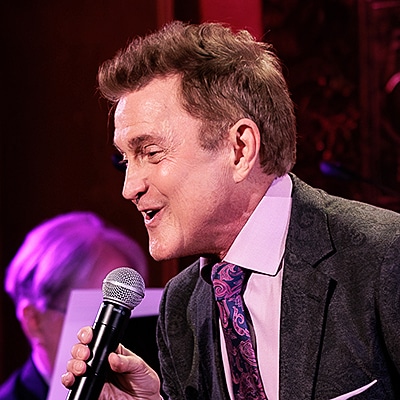
Jeff Harnar’s contribution featured an animated “All of Us Together” (Wilder/Loonis McGlohon) and the lovely “Is It Always Like This?” (Wilder), during which the artist appeared hopeful, even innocent. A gauzy “I’ll Be Around” and jaded “S’Gonna Be a Cold, Cold Day” (Wilder/McGlohon), sounded bitter. “Lovers and Losers” (Wilder/Engvick) arrived as a polished swing. Harnar’s sophisticated delivery added fuel to the two cynical songs, which were a startling choice from this sensitive performer. He visibly relates to the audience and makes high craft look casual.

Composer/pianist and tonight’s MD, Jed Distler, offered two of Wilder’s piano compositions, a theatrical “House Detective Registers” (its title having nothing to do with composition) and “Walking Home in Spring” with a middle section that sounded distinctly like Scott Joplin. Both were examples of the melding of Wilder’s classical training and jazz appreciation.
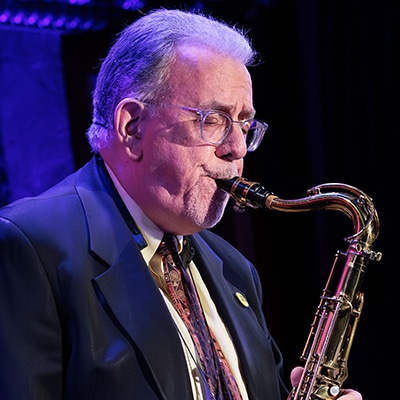
Saxophonist David Demsey paired with Distler on Stan Getz’s haunting arrangement of “A Long Night.” The brass sound was soft and fleecy and conjured a weary stroll on early morning streets, perhaps after a late, late set. Demsey “gets it.” It was a haunting rendition.
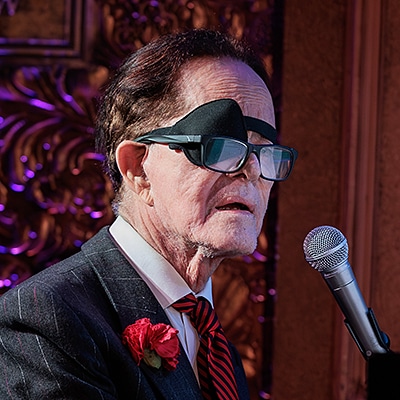
Steve Ross, whom Granata designated “the Godfather of cabaret,” sang three songs at a microphone away from the piano: Wilder’s “Did You Ever Cross Over to Sneden’s?” (a choice enclave in the Palisades) was explained as an older man reflecting on falling in love with a younger one across a room. The essence of sentimental memory, it was tremulous and moving. “In the Spring of the Year” (Wilder/Lee Kuhn)—“trees are sappier, wings are snappier, balloons are balloonier too”—and “Plenty Good Enough for Me” (Wilder/McGlohon) arrived jauntily. The tone distinctly changes when these are performed by someone of sensitivity and experience.
At the piano, Ross closed with “While We Were Young.” It was waltzy, romantic, and simply heartbreaking. No one comes close to Steve Ross’ style and finesse. If these could only be taught! Ross has created a legacy of sharing songs as writers intended; he’s the ultimate example of less is more.
Mulder then performed three more songs of which Wilder’s “It’s So Peaceful in the Country,” accompanied by a recording of Cy Walter on piano, was the standout. Seamless and charming, the two performers created palpable chemistry. A traditional finale found us collectively singing the celebrant’s 1942 “I’ll Be Around.”

Alec Wilder’s book American Popular Song: The Great Innovators, 1900–1950 remains a foundational text, notable for its composer-to-composer insights and unapologetically opinionated tone.
The show will be up on YouTube.


